
From their first unsteady walks to their boundless energy on the playground, children are constantly learning and developing physically. Their bodies are like amazing machines, figuring out how to explore the world. But sometimes it isn’t that easy, as we wish. Whether dealing with developmental delays, recovering from injury, or just needing an extra boost to develop those important motor skills, physical therapy for pediatric fitness and wellness in Indiana is a crucial factor in helping kids reach their full potential. It’s about empowering our kids to live their best lives, developing strength, balance, and coordination that will serve them a lifetime of active living.
Understanding Your Child’s Developmental Journey
A child’s growth is a complex and interesting process. Unlike adults, children’s bodies are constantly growing, adjusting and learning new movement patterns. Infants move by reflex, toddlers learn to move upright, school-age children learn complex body movements for sports and play, and adolescents acquire new athletic requirements. At each stage, there are markers that one can anticipate, and differences at times also suggest a hidden issue. This is where physical therapy for pediatric fitness and wellness in Indiana proves to be beneficial, providing proactive care and intervention specific to their age and developmental stage.
What is pediatric physical therapy?
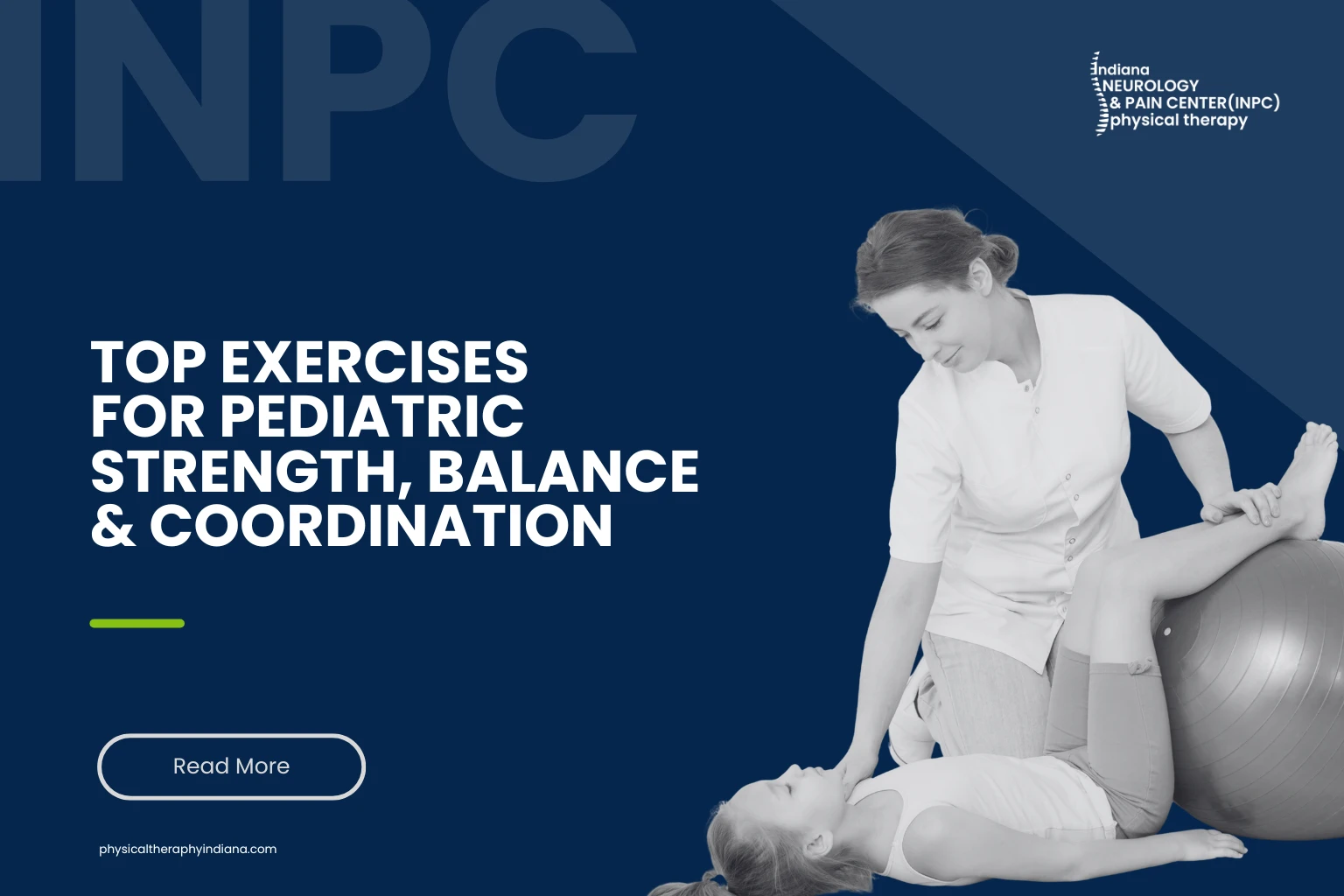
In essence, pediatric physical therapy in Indiana is a type of physical therapy that caters to the special needs of infants, children, and teenagers. Unlike adult physical therapy sessions, pediatric PT adopts a holistic, play-based, and family-centered approach. Its primary goals are to improve gross motor skills, increase strength, promote balance and coordination, and increase flexibility so that children would be physically independent.
Extensively educated pediatric therapists are aware of developmental milestones, using innovative and fun activities to make therapy appear as play, not work. With their experience, they can treat and diagnose various conditions, including neurological disorders, genetic syndromes, orthopedic trauma, and coordination problems during development.
When Is It Time for Kids Physical Therapy in Indiana?
It’s important to know the signs. Early intervention can impact outcomes and the child’s quality of life. Parents and caregivers may want to consider pediatric physical therapy if they notice the following.
- Failed to meet milestones like rolling, sitting, crawling, or walking within the typical age ranges.
- Failure to maintain body symmetry, head tilting or asymmetrical crawling patterns.
- Clumsiness, balancing and coordination difficulties, frequent falling, difficulty with stairs, or difficulty with playground equipment
- Trouble keeping up with peers, getting tired easily, or having an abnormal posture.
- Toe walking, in-toeing, out-toeing, or an abnormal walk.
- Rehabilitation after fractures, sprains, or orthopedic surgery.
- Kids with cerebral palsy, Down syndrome, spina bifida, autism spectrum disorder, or genetic conditions usually reap significant benefits from consistent PT.
- Student athletes having pain, restricted motion, or requiring injury prevention.
The Pillar of Pediatric Fitness and Wellness
Pediatric wellness programs in Indiana are created around a series of key components essential to the development of a healthy and active child.
Strength: The capacity of muscles to generate force. For children, this means having strength in their core to sit up straight, leg strength to run and jump, and upper body strength to push, pull, and play.
Balance: Proper balance is required for standing, walking, running, and sports in a way that no falling occurs and one has the proper facility to move freely and in control.
Coordination: Ability to move different parts of the body efficiently and smoothly. Hand-eye coordination to catch a ball, foot-eye coordination to kick, and coordination of the whole body for skipping or biking.
Flexibility: Range of motion of the joints. Proper flexibility keeps injury away, allowing children to move about without stiffness or restriction.
Endurance: Capacity to maintain physical effort over time. Developing endurance enables children to play for extended periods, engage in sports, and do daily tasks with minimal fatigue.
Top Pediatric Exercises
Strength Exercises
Strength training for kids involves using their own weight to strengthen their muscles in a fun and safe way. It’s functional strength used for daily living. This involves animal walks, squats, push-ups, and planks.
Mastering Movement Activities
Balance is the ability to control the body’s position, whether standing still or moving. It’s essential for walking, catching a ball, and more. Examples of exercises that enhance balance and movement include tightrope walking, one-leg stands, and heel-to-toe walks. If you do have a wobble board or even a firm cushion, standing on it necessitates continuous minute adjustments to stay balanced, engaging core and ankle stabilizers.
Freeze dancing is another classic activity that requires balance and developing body control.
Pediatric Coordination Exercises
Coordination is the ability to use different parts of the body with one another efficiently and effectively. It works on hand-eye coordination, foot-eye coordination, and bilateral coordination. Examples of exercises that address this area include throwing, catching, and jumping jacks. Obstacle courses are also fun ways to keep kids engaged. This combines strength, balance, and coordination in one activity.
If you are worried about your child’s developmental milestones or suspecting a physical delay, consider physical therapy for pediatric fitness and wellness in Indiana. By seeking help from experts and incorporating these activities into your child’s daily life, you’re not only creating stronger bodies, but you’re also making them confident and resilient.
INPC PT: Your Child’s Guide on Their Wellness Journey
Choosing the right physical therapy team is most important. Look for child-centered PT clinics. Choose therapists who are trained and experienced in working with children. An individualized approach that addresses your child’s individual needs, personality, and goals is essential for success.
INPC Physical Therapy is the ideal choice for child wellness and physical therapy in Indiana. They have trained and committed pediatric PT. They’re also child-centered, practicing gentle philosophy for a motivating session. INPC Physical Therapy is a recognized community partner for pediatric fitness and health. Their commitment to building a healthy community makes them an important resource for Indiana families.
Conclusion
A child’s earliest years are significant periods of physical development, shaping their health, self-esteem, and capabilities. Physical therapy for pediatric fitness and wellness in Indiana is not just rehabilitation; it’s an investment for your child’s healthy future, providing them with the tools and the confidence to independently explore the world. If we address issues early on, we can equip our children to become healthy, well-balanced, and coordinated adults capable of handling any adventure life has in store. Working with expert pediatric therapists means every child gets the chance to run, jump, play, and succeed. For pediatric physical therapy that delivers the best results, get in touch with Indiana Neurology and Pain Center Physical Therapy.