
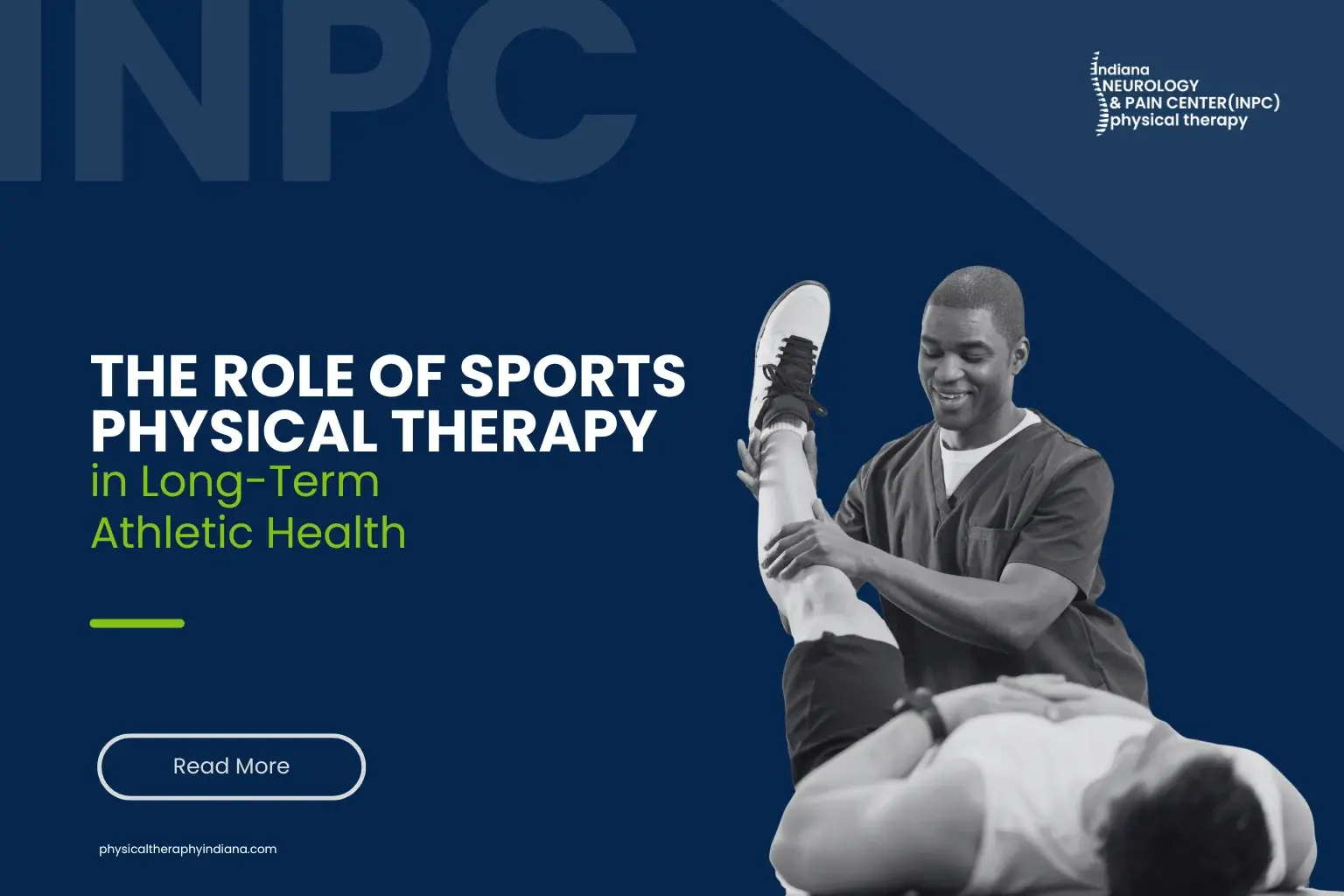
Athletes of all levels, whether professional, collegiate, or recreational level athletes, have to work hard each day to maximize their potential as athletes, but as they do, there is an increased risk for injury, imbalances, and long-term wear and tear on their bodies. Sports physical therapy is an essential component for maintaining athletes’ long-term health, recovering from injuries, and optimizing athletic performance.
INPC Physical Therapy provides numerous services for athletes that will not only resolve their current injuries but also prepare them to be injury-free as well as perform to the best of their abilities. In this post, we will explore how sports physical therapy maintains an athlete’s long-term overall health, learn about the scientific component of sports physical therapy, and discuss why INPC Physical Therapy has a solid reputation as a leader in providing quality physical therapy services in Indianapolis.
Understanding the Importance of Long-Term Athletic Health
Long-term athletic health goes beyond training and conditioning. It includes injury prevention, proper biomechanics, muscle balance, flexibility, recovery strategies, and rehabilitation after injury. Many athletes take a reactive approach—seeking care only after an injury occurs. However, modern advancements in physical therapy services in Indiana emphasize a proactive, preventative model.
Sports physical therapy focuses on:
- Improving strength and mobility
- Correcting movement patterns
- Enhancing performance
- Preventing future injuries
- Supporting faster recovery after strain or trauma
INPC Physical Therapy integrates all these factors into personalized treatment plans, creating a structure that supports athletes throughout every stage of their journey.
What Makes Sports Physical Therapy Unique?
The realm of sports physical therapy provides a systematic approach to address the unique requirements of an athlete’s body and how their body functions differently during athletic performance compared to general physical rehabilitative services that treat all individuals for similar injuries.
1. Human Mechanical Assessments
Athletes will receive a detailed human mechanical assessment by trained professionals in order to determine the decision-making process used to produce their athletic performance. For example, an athlete’s running style will determine how much of a strain he places on his lower extremities; therefore, proper running mechanics will impact how much of a performance-related strain an athlete will place on his body.
2. Sport-Specific Rehabilitation
Due to the stresses placed on different muscle groups while performing each sport, the rehabilitation programs designed for each athlete will be specific to the demands of his/her sport. For example, a basketball player will require explosive power, runners will rely on endurance and joint stability, and swimmers will require adequate overhead mobility.
3. Manual Therapy Techniques
Clinicians often implement manual therapy techniques, such as joint mobilization, soft tissue therapy, dry needling, myofascial release, and trigger point therapy to aid in obtaining a quicker and more successful resolution to an athlete’s injury(s), particularly when dealing with chronic muscle tightness, overuse injuries, and inflammatory conditions associated with physical activity.
Want personalized sports rehab? Contact INPC Physical Therapy today to schedule your comprehensive evaluation!
How Sports Physical Therapy Promotes Long-Term Athletic Health
Paying close attention to various performance and functional elements is essential for ensuring an athlete’s long-term health. Sports physical therapists use strategic, evidence-based methods to address these elements comprehensively.
1. Early Detection and Injury Prevention
The best way to avoid injuries is through early detection, not after they occur, which is also the cheapest option. Sports therapists perform preliminary assessments and screenings to detect changes, such as
- Weakness
- Instability
- Limited Range of Motion (ROM)
- Poor Mechanics
Establishing a corrective program for these areas allows an athlete to train consistently and prevent setbacks.
2. Restoring and Optimizing Mobility
Mobility limitations negatively impact an athlete’s performance and create additional fatigue while developing compensation patterns leading to injury. Sports physical therapists utilize various methods to improve an athlete’s mobility:
- Stretching Techniques
- Joint Mobilizations
- Strengthening Structures Around the Affected Joint(s)
- Soft Tissue Techniques
These methods are particularly effective for athletes who participate in activities requiring multiple repetitions of the same motion, such as runners, weightlifters, and tennis players.
3. Strengthening Muscles to Improve Stability and Balance
Strong, balanced muscle groups work together to provide:
- Greater Speed and Power Distribution to Enhance Sports Performance
- Improved Protective Muscle Structure for Increased Joint Stability
- Reduced Risk for Sustaining Injuries
Sports physical therapists develop specific strength programs to improve stability and balance of the stabilizing muscle groups surrounding the shoulder and hip region, as well as the core area, thereby promoting the development and improvement of the aforementioned qualities, which have a significant impact on an athlete’s overall performance potential as well as their injury recovery.
4. Enhancing Athletic Performance
Athletes can use sports physical therapy to enhance their athletic performance, not just to rehabilitate from injury. Many athletes choose to come to INPC Physical Therapy for sports physical therapy in order to improve their:
- Speed
- Agility
- Strength
- Efficiency of movement
Incorporating performance-based therapy into your existing plan allows you to be better prepared for the rigors of your sport while lowering the physical stress that intense training puts on your body.
5. Long-Term Management of Chronic or Reoccurring Issues
Athletes frequently deal with chronic or recurrent conditions such as knee pain, IT band syndrome, ankle sprains, shoulder instability, and lower back pain, and these conditions are often exacerbated by increased activity levels during athletic competition. To help reduce the occurrence of these types of conditions and to keep athletes performing at the highest possible level season after season, Sports Physical Therapy utilizes long-term management strategies that reduce the likelihood of flare-ups.
Discover how INPC Physical Therapy can help you stay injury-free all year round. Book your appointment today!
The INPC Physical Therapy Approach: Why Athletes Trust Us
INPC Physical Therapy, located in Indianapolis, Indiana, is among the top physical therapy clinics for athletes due to its strong focus on athlete-oriented approaches and research-based protocols. Furthermore, the physical therapists create individualized treatment plans for each athlete, carefully considering their specific needs and objectives.
Providing an Environment Supportive and Motivating Towards Healing
At INPC Physical Therapy, every athlete receives care in an environment that provides motivation and support to help achieve his/her rehabilitation goals as quickly and safely as possible. The care team at INPC Physical Therapy places significant emphasis on:
- The Quality of the Patient’s Experience
- The Comfort and Trust of the Patient
- The Individual Attention of the Patient
- The Clarity of Communication Between the Patient and Therapist
This supportive and motivating environment helps rehabilitating athletes stay engaged in the recovery process—physically, mentally, and emotionally—throughout their rehabilitation.
Newer Techniques and Treatment Methods
New treatment models offered at INPC Physical Therapy include, but are not limited to:
- Neuromuscular Re-education
- Functional Movement Training
- Manual Therapy/Soft Tissue Mobilization
- Sport-Specific Strengthening
- Balance and Stability Training
Each of these treatments will ultimately help the athlete return to competition, and moreover, ensure they come back stronger and more resilient than they were prior to the injury.
Integrative Model of Athlete Care
Aside from treating injuries, the INPC Physical Therapy staff focuses on:
- Wellness
- Improving Present Lifestyle
- Stress Management
- Long-Term Prevention of Future Rehabilitation Needs
The Power of an Integrative Athlete Care Model Is Vital for Athletes Who Would Like to Compete Successfully for a Long Time into the Future.
Ready to elevate your performance? INPC Physical Therapy offers expert sports rehab for athletes of all levels—schedule a consultation now!
Common Sports Injuries Treated at INPC Physical Therapy
Athletic injuries can occur from many different causes. Sports physical therapists work to rehabilitate those individuals that experience these injuries through rehabilitation programs that help restore function and strength after the injury has occurred. Some examples of rehab for athletic injuries are
• Ligaments and ACL
• Rotator cuffs
• Torn hamstrings
• Achilles tendonitis
• Shin splints
• Patellofemoral syndrome
• Stress fractures
• Ankle sprains
• Overuse injuries from repetitive movements
Therapists will work closely with each individual athlete and, as a result, provide an individualized assessment, diagnosis, and treatment plan. Moreover, these plans are tailored to the athlete’s age, sport, level of competition, and overall physical demands.
How Sports Physical Therapy Supports Recovery and Return-to-Play
An athlete’s “return-to-play,” which is essentially the phase of rehabilitation where they return to the sport after being injured or ill, is critical for an athlete’s rehabilitation. The sports physical therapist, in essence, works to prepare each athlete physically and functionally for their return to full activity.
Return-to-play entails:
- Gradual Strengthening
- Functional Sports Training
- Progressive Loading
- Testing Movement Mechanics
- Pain-Free Performance
INSP Physical Therapy utilizes evidence-based techniques and methodologies to help decrease the chances of reinjuring the athlete and allows them to feel confident as they prepare to return to their sport.
Looking for the most trusted sports physical therapy in Indianapolis? Contact INPC Physical Therapy and take the first step toward stronger, healthier performance.
Final Thoughts: The Role of Sports Physical Therapy in Lifelong Athletic Wellness
Physical therapy for sports encompasses an array of services that go far beyond simply rehabilitating injuries. Sports physical therapy involves a comprehensive program that supports an athlete throughout their entire journey—from injury prevention and rehabilitation to performance enhancement and long-term health and fitness. Sports physical therapy is not limited to professional or elite athletes; it is available for everyone from the novice fitness person to weekend warriors (recreational runners, cyclists, etc.).
Sports physical therapy services from INPC Physical Therapy combine the latest in science and healthcare, highly trained professionals, individualized service, and an environment designed to encourage recovery and optimal performance. They emphasize prevention of injuries, performance improvement, and rehabilitation, making them one of the top three providers of physical therapy in the State of Indiana and the best option for anyone searching for a physical therapy location in Indianapolis.