
For parents in Indianapolis, seeing their child grow and develop is one of life’s greatest pleasures. Each crawl, each first step, each jump is a milestone to be cherished. But sometimes, a child will struggle in physical development, either from a congenital condition, an injury, or a developmental delay. These kinds of situations call for the need of Pediatric Physical Therapy in Indianapolis as a vital intervention that offers specific care intended to help children achieve their full capability.
In contrast to physical therapy for adults, children’s physical therapy in Indianapolis is a highly specialized profession that considers the special needs of developing minds and growing bodies. It’s not only about the recovery from an injury but also about promoting optimal development and mobility and enhancing a child’s function and independence through the magic of play.
What is pediatric physical therapy?
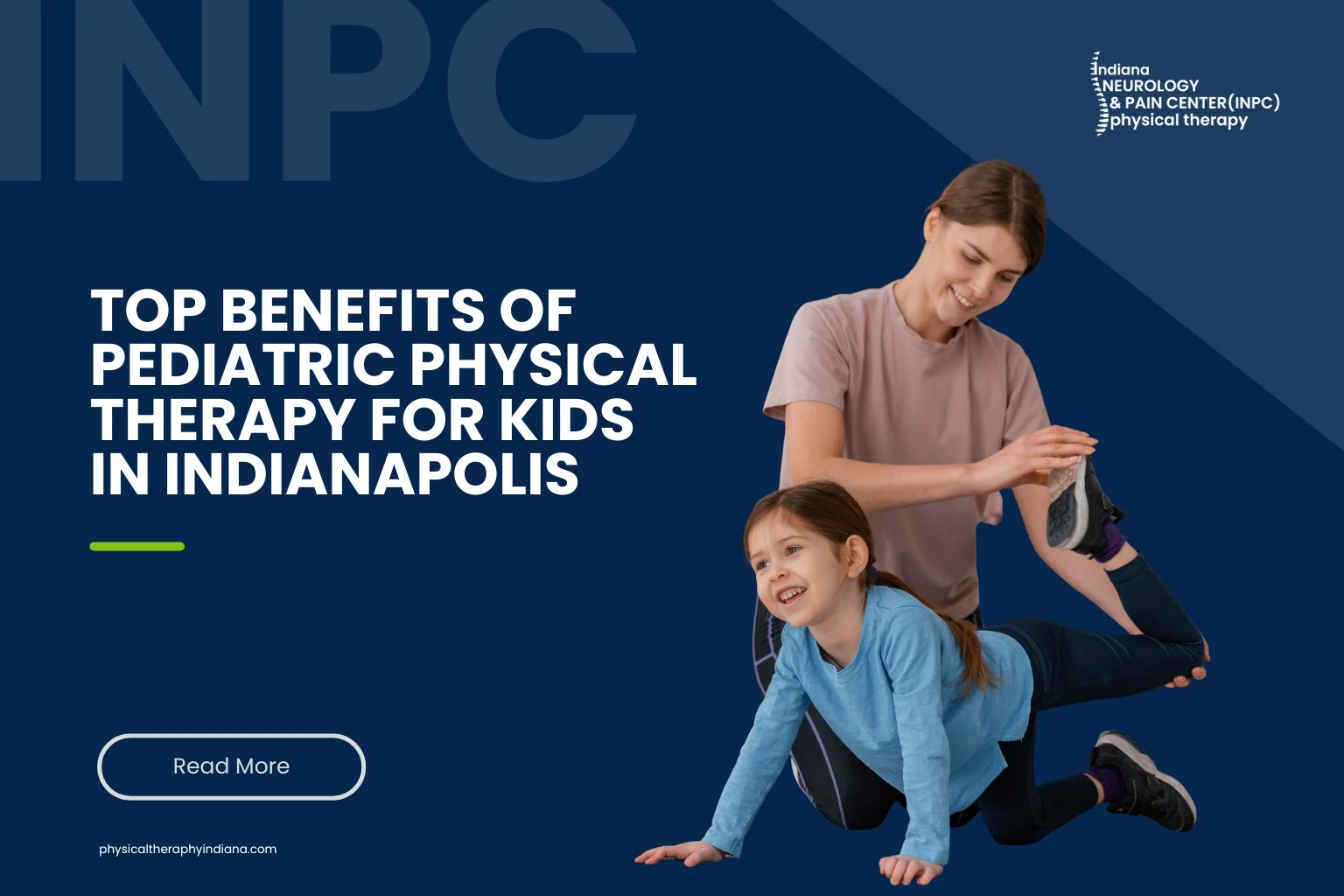
Pediatric physical therapy is a specialized branch of physical therapy that deals with infants, children, and adolescents suffering from a range of congenital, developmental, neuromuscular, skeletal, or acquired diseases and disorders. Pediatric therapists are child development and movement experts. They employ a play-based modality to ensure that therapy is enjoyable and productive, allowing children to build strength and movement and gain important developmental milestones.
For those seeking pediatric PT services in Indianapolis, obtaining a competent, compassionate therapist is most critical. They are not only PTs but also child development specialists who understand how to engage and motivate children of varying abilities and ages.
Top Benefits of Pediatric Physical Therapy in Indianapolis
Physical therapy for children has many benefits, not only influencing the child’s physical health but also their self-esteem and capability to engage in life fully. Some of these benefits are:
Increased Mobility and Gross Motor function.
Pediatric physical therapy can be life-changing for kids having trouble moving around efficiently. Therapists concentrate on training that aims to enhance a child’s overall mobility. The process may involve assisting a child in learning to crawl or walk, climbing stairs on their own, or engaging actively in playground play.
Enhanced Strength and Endurance
Some illnesses result in muscle weakness or lack of endurance among children. With exercises and recreational activities, PT enhances core strength, muscle power, and endurance necessary for physical activities and sports.
Improved Balance and Coordination
Children with developmental delays or some neurological disorders are clumsy and fall often. PT sessions involve exercises designed to enhance body awareness and coordination, minimizing the risk of falling and increasing agility.
Pain Management and Injury Recovery
Whether it’s a sports injury, a post-surgical recovery, or chronic pain, pediatric physical therapists are skilled in managing pain and guiding effective rehabilitation. They use techniques fit for children to reduce discomfort and safely restore function.
Attaining Developmental Milestones
One of the most frequent reasons that parents bring their children to pediatric physical therapy in Indianapolis is when their child is not developing age-appropriate developmental milestones, such as rolling, sitting, crawling, or walking. Therapists provide specific interventions to assist children in achieving these fundamental skills.
Building Confidence and Participation
When a child is having physical difficulty, it undermines their confidence and willingness to play with peers. As physical ability grows from therapy, children have more confidence and become more independent. They participate more actively in school, sports, and social activities.
Preventative Care and Education
Pediatric physical therapists also have the role of preventing injury in the future and educating parents on body mechanics, adaptive equipment, and home exercise programs. This allows families to be able to assist their child’s development outside of therapy sessions.
When Does A Child Need Physical Therapy?
Sometimes it is difficult for parents to decide whether the physical growth of their child requires professional intervention or not. Every child progresses differently, but some signs and conditions usually suggest that pediatric physical therapy in Indianapolis would be necessary. Pediatric physical therapy in Indianapolis can be beneficial in the following common situations:
Developmental delays include the inability to roll over by 6 months, the inability to sit independently by 8 months, and the incapacity to crawl by 10-12 months. Sitting with knees bent and feet spread out to the sides. Clumsiness, frequent falls, or gross motor skill difficulties compared to peers, for example, having trouble with running, jumping, or catching a ball.
Neurological conditions like cerebral palsy, spina bifida, traumatic brain injury, and developmental coordination disorder.
Genetic syndromes such as Down syndrome, fragile X syndrome, and other genetic conditions that affect muscle tone, strength, or development.
Orthopedic conditions like torticollis—this is when an infant tilts their head to one side—flattenthe baby’s head. Clubfoot or other birth defects of the foot. Scoliosis, fractures, sprains, or strains due to injury.
Gait abnormalities like toe walking, feet turning in or out when walking, limping, or unlevel walking. Also when kids have trouble maintaining positions or become tired easily.
Chronic pain that impacts the ability to move or balance problems that affect daily functioning.
If you notice any of these issues, speak with your pediatrician. They can recommend an assessment for physical therapy for kids in Indianapolis.
Pediatric Therapy vs. Regular Therapy: What Sets Them Apart
Although pediatric and regular (adult) physical therapy have the same overall objectives, they differ substantially in their methods, settings, and specializations. Parents looking for pediatric physical therapy in Indianapolis need to know about these differences.
Target Population & Developmental Stage
- Regular PT mainly addresses adults whose bodies have developed.
- Pediatric PT concentrates on infants, children, and teens whose bodies are still developing and growing.
Therapists know the complicated child development stages and how to solve physical problems within this changing context.
Therapeutic Approach & Methodology
- Regular PT tends to include formal exercises, gym machines, manual therapy, and a very direct, instructional style.
- Pediatric PT uses play-based therapy.
Children have the best response through play, so therapists incorporate therapeutic exercises into enjoyable games. A child may be playing on a swing that is actually challenging core strength or rolling a ball that is enhancing hand-eye coordination. Such an approach makes therapy less scary and more engaging for kids.
Treatment Goals
- Regular PT goals are generally aimed at reducing pain, increasing range of motion, and enhancing strength for a specific task.
- Pediatric PT goals are focused on reaching developmental milestones, enhancing functional independence in activities of age-appropriate levels, minimizing impairments that prevent development, and preventing secondary complications.
Environment
- Regular PT clinics are generally geared for adults, with conventional gym equipment and a more clinical environment.
- Pediatric PT clinics are kid-friendly environments filled with toys suitable for children, colorful mats, therapy balls, swings, and sensory materials that help children feel at ease and interested.
Parental Participation
- In regular physical therapy (PT), while family support is beneficial, the adult patient plays a crucial role in their own therapy.
- In pediatric PT, parental participation is essential. Parents are trained on home exercise programs, good handling skills, and how to incorporate therapy activities into daily routines. Parents are active participants in their child’s treatment.
Focus on Development vs. Degeneration
- Regular PT often works with degenerative conditions or acute injuries in older bodies.
- Pediatric PT works on ensuring proper development, treating delays, and managing conditions that interfere with a child’s growth pattern.
Assessment Methods
- Regular PT utilizes standardized tests, subjective patient complaints of pain, and objective measurements specific to adult musculoskeletal and neurological systems.
- Pediatric PT uses special developmental assessments, play observations, and knowledge of normal and abnormal motor development in children. They consider how a child engages with his or her environment and his or her peer group.
Conclusion
Essentially, pediatric physical therapy in Indianapolis demands a special combination of medical skills, developmental experience, and the capacity to relate to children on their own terms. It’s an occupation committed to fostering a child’s earliest physical experiences and to facilitating their path towards independence and happiness.
Unlock your child’s maximum potential with physical therapy for kids at INPC. If you are an Indianapolis parent who is worried about your child’s physical development, do not wait; call Indiana Neurology and Pain Management Center at 317-939-6100. The sooner you do this, the better your chances of getting the best possible results. With our commitment and skill, your child can enjoy a future filled with movement, play, and success.